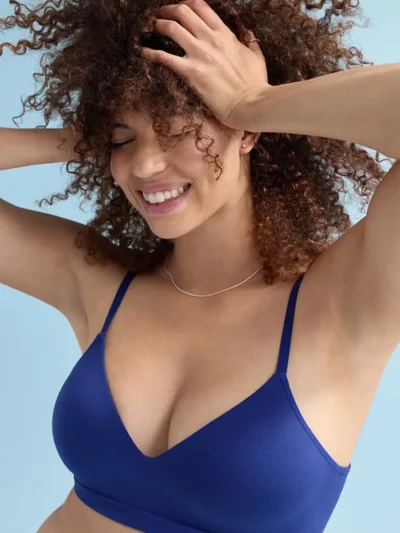
A bra is an everyday garment, and regular use places it under steady physical stress. Each time it is put on, the band and straps stretch; movement creates friction against skin and clothing; and washing can gradually affect elastic fibers, fabric, and seams. These changes are often subtle at first. A bra may still look familiar while offering less support or fitting differently than it did when new.
There is no universal schedule for replacing a bra. How long it remains comfortable and supportive depends on several factors, including how often it is worn, its materials and construction, and how it is washed and dried. A bra worn frequently has less time to recover between uses than one rotated with several others. Delicate fabrics or lightweight designs may also respond differently to wear than sturdier styles. Hand washing, using a suitable detergent, and air drying can help limit unnecessary strain, but care cannot prevent eventual changes.
The wearer’s body can change, too, affecting whether a bra still fits as intended. Weight fluctuations, hormonal changes, pregnancy, aging, and shifts in activity may alter breast shape or the size needed, sometimes independently of the garment’s condition. As a result, a relatively new bra can become uncomfortable or ill-fitting, while an older one may still work well for occasional use. Age alone is not a reliable measure of whether it is time to replace it.
Instead of relying on a fixed calendar, pay attention to how a bra feels and performs. A secure band, straps that stay in place, cups that contain without gaping or digging, and materials that remain comfortable are practical indicators of a good fit. When these qualities begin to change, it is worth taking a closer look. The five clues that follow can help identify common signs of wear, from weakened elastic to visible damage. Ultimately, comfort and fit matter more than the number of months a bra has been in a drawer.
The band is responsible for much of a bra’s support, so its fit is an important clue to the garment’s condition. It should rest level around your torso, following a straight line across your back rather than climbing toward your shoulder blades. A comfortably firm band anchors the cups and helps keep the bra in place; the straps should not have to carry the entire load. When the band no longer provides steady, even tension, the bra may feel less supportive even if the cups still appear intact.
Elastic gradually loses resilience through regular wear, washing, and repeated stretching. You may notice that the band feels looser than it once did, shifts during the day, or rides up at the back despite adjusting the straps. Another possible warning is having to use the tightest hook immediately after buying the bra. A new bra is generally intended to fit securely on its loosest hook, leaving room to tighten it as the elastic relaxes over time. If it only feels stable on the tightest setting from the start, it may not have enough adjustment range.
However, a rising or loose band does not automatically mean the bra has reached the end of its life. The original band size may have been too large, or the bra’s shape and construction may simply not suit your body. Before replacing it, reassess the fit: check that the band is level, try fastening it on the loosest hook, and consider whether a different size or style provides better support. If the bra once fit securely but now slides upward or stretches out even when fastened more tightly, its elastic has likely worn down. At that point, replacement may be the practical choice. Separating wear from an initial fit issue helps you choose a bra that supports you consistently, rather than relying on increasingly tight fastenings to compensate.
Shoulder straps should stay comfortably in place once adjusted. If they repeatedly slide down, loosen during the day, or need frequent tightening, the bra may be showing signs of wear. Elastic gradually loses its ability to stretch and recover, so straps that once held their length may no longer provide steady support. The adjusters can also become worn or damaged, allowing the strap to slip through instead of remaining at the setting you chose.
Check the points where each strap joins the cups and the back band. Fraying, loose stitching, torn fabric, or a stretched attachment can weaken the connection and make the straps less secure. Hardware that is cracked, bent, or unable to grip the strap is another reason adjustments may not last. If tightening only offers brief relief, or the strap keeps lengthening despite being secured, the bra may no longer be functioning as intended.
Slipping does not always mean a bra has reached the end of its life, however. Strap position and shoulder shape influence how well straps stay put, and some styles are simply less suited to particular bodies. Narrow or sloping shoulders, for example, can make straps more likely to fall, while a wide-set strap design may be uncomfortable or unstable. Consider whether the same issue occurs with several bras. If only one older bra slips, worn elastic or hardware is a likely cause; if multiple well-fitting bras do so, a different strap placement or style may be a better solution. When a bra’s straps will not stay adjusted, the adjusters or attachment points are failing, or the problem persists despite reasonable adjustments, replacing it is appropriate. A new bra with secure hardware and a strap design that suits your shoulders can restore reliable support and reduce the need for constant readjustment.
A well-fitting bra cup should sit smoothly against the breast without obvious empty space, deep creases, or tissue spilling over its edges. If the cups have developed persistent gaps or wrinkles, their shape may have stretched or become misshapen with repeated wear and washing. Likewise, breast tissue that escapes at the top, sides, or center can indicate that the cups no longer provide adequate coverage or containment. These visible changes may affect comfort and support, and can make clothing fit differently.
However, cup problems do not always mean a bra has worn out. Body size and shape can change over time, including with weight fluctuations, pregnancy, hormonal changes, or aging. A bra may also have been the wrong size or cut from the start. For example, a cup shape that is too shallow or too narrow can cause gaping in one area and spillage in another, even when the measured size seems appropriate. Different brands and styles may fit differently, so consider the bra’s design as well as its label.
Notice whether the issue is new, consistent, and present after adjusting the straps and band. If a bra that once fit smoothly now gaps, wrinkles, or allows tissue to shift out of place, stretched or distorted cups may be the cause. If the same problem occurs in several bras, reassess your current size and the cup shapes that suit you before deciding to replace them. A bra that is otherwise in good condition may simply no longer match your body or preferred fit. Replacing a worn-out bra makes sense when its cups have lost their shape, but checking fit first can help distinguish deterioration from a sizing or style mismatch.
Inspect the bra’s frame, stitching, fabric, and closures for signs that its structure is failing. An underwire poking through the casing is an obvious warning, but a wire can also become bent, twisted, or misshapen before it breaks through. Check for cracked ends or sharp edges, which may press against the skin or cause irritation. If the wire no longer follows the curve of the cup or sits flat against the body, the bra may not provide comfortable, even support.
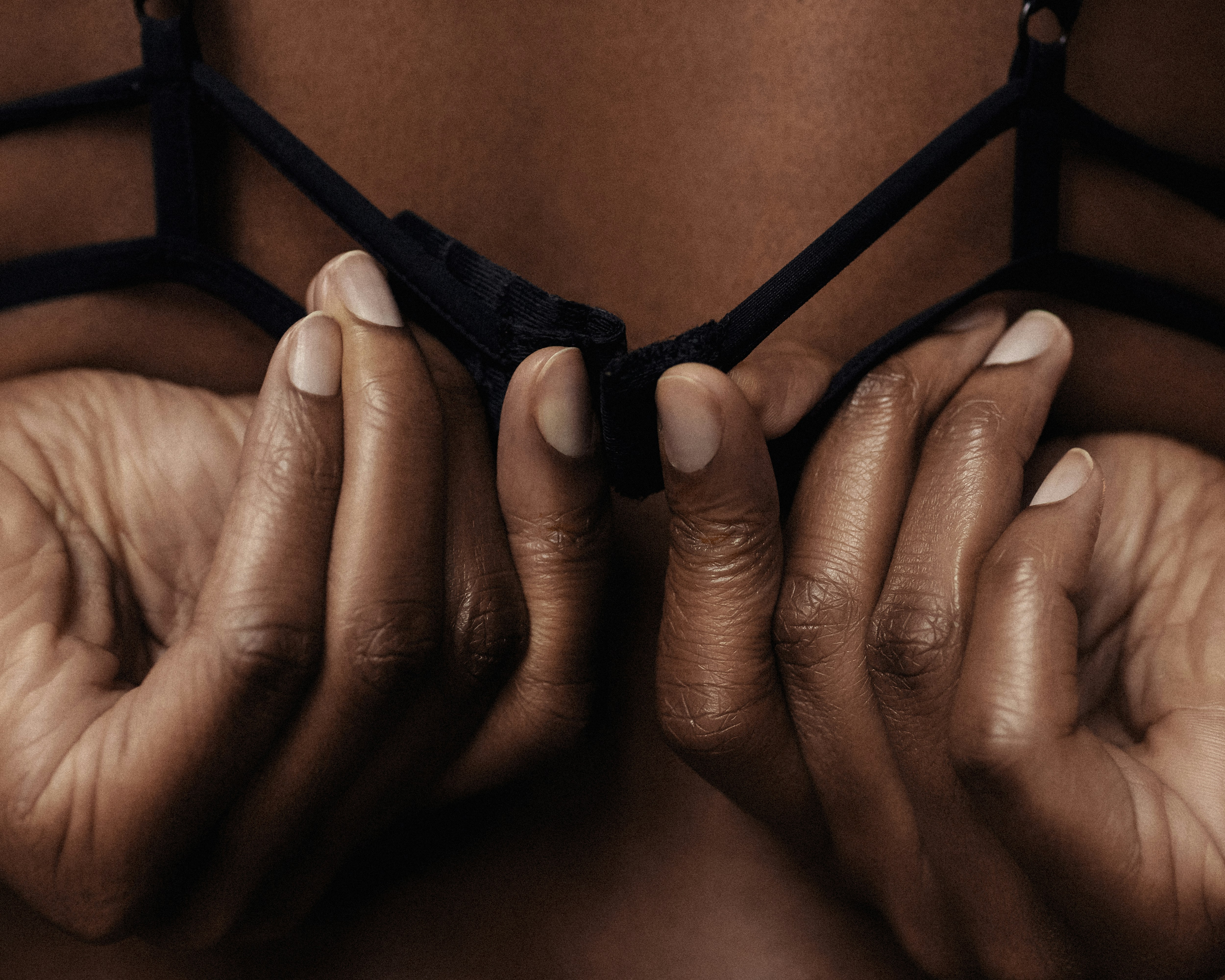
Seams and fabric can show wear as well. Look for unraveling stitches around the cups, straps, or band, along with thinning, stretched, or torn material. The casing that holds an underwire should remain intact; loose stitching can allow the wire to shift and create pressure points. Also examine the hooks, eyes, and other fasteners. Broken hooks, bent hardware, or closures that no longer stay secure can make it difficult to keep the bra properly fitted throughout the day.
These problems can develop gradually through regular use, but rough washing, high heat, or repeated twisting can speed up damage. A poor fit may also put extra strain on the wires, seams, and closures, particularly if the band or cups are under constant tension. While a small loose thread may be repairable, a bra with a protruding or distorted wire, extensive seam failure, or weakened fabric is usually best retired rather than repeatedly patched. Repairs may not restore its original shape or support, and a sharp or displaced wire can continue to cause discomfort. When inspecting bras, handle damaged areas carefully and discontinue wearing any item that rubs, pokes, or feels unstable. Replacing it with a well-fitting bra can help prevent ongoing irritation and provide more reliable support.
A bra can look perfectly intact and still be a poor choice to wear. Repeated pinching, chafing, digging straps, tight bands, or pressure around the ribs are signs that it may no longer fit or function comfortably. A lingering sense that your breasts are shifting, bouncing, or not adequately supported can also indicate that the garment is no longer meeting your needs. These problems are worth taking seriously even when there are no visible tears, stretched seams, or other obvious damage.
Bras should not cause ongoing pain. Discomfort may result from elastic or fabric that has deteriorated, changes in breast size or shape, weight fluctuations, pregnancy, hormonal changes, or a design that does not suit your body. The size printed on the label is not a guarantee of fit, and different brands and styles can feel very different. Underwires, seams, cups, straps, and bands may all contribute to pressure or irritation if they sit in the wrong place or fail to accommodate your shape.
If discomfort keeps returning, stop wearing that bra and check how it fits. The band should feel secure without restricting breathing or digging painfully into your skin; cups should contain the breasts without gaping or cutting in, and straps should stay in place without bearing excessive weight. Consider trying another size or style, and inspect the garment for stretched elastic or misshapen cups. If pain continues despite changing bras, seek advice from a qualified bra fitter or healthcare professional. Persistent or severe pain, skin changes, a new lump, or discomfort with no clear connection to a bra should be assessed by a healthcare professional rather than attributed to fit alone. Replacing an uncomfortable bra is a sensible step, but it is also important not to overlook a separate health concern. A garment that feels secure and comfortable should support movement without demanding that you tolerate pinching, chafing, or pressure throughout the day.
A single uncomfortable moment does not necessarily mean a bra has worn out. Changes in body shape, the wrong size, or a style that does not suit your needs can create similar symptoms. Look at several clues together while wearing the bra as you normally would, rather than judging it from appearance alone. Check whether the band sits level around your body and feels secure without riding up. Notice whether the cups contain your breasts smoothly, without spilling, gaping, or wrinkling. Observe whether the straps stay in place when adjusted appropriately, and consider whether the bra remains comfortable through ordinary movement.
Next, compare what you observe with the bra’s overall condition. Elastic that has lost its recovery, a band that no longer stays anchored, straps that repeatedly slip despite adjustment, or cups that have lost their shape can indicate structural deterioration. If several of these problems occur in the same garment, especially after regular wear and washing, replacement is more likely to help than further adjustments. A bra may look intact but still offer less support if its elastic has stretched or its construction has weakened. Conversely, one isolated issue—such as a strap that needs tightening—may be fixable and is not conclusive evidence that the garment has reached the end of its life.
For a useful comparison, try on a newer bra that fits well, ideally in a similar style, and assess both garments under similar conditions. If the newer bra sits level, holds the cups smoothly, keeps its straps stable, and feels comfortable while the older one fails in several respects, wear is a reasonable explanation. If several relatively new bras share the same problems, the cause may instead be a sizing mismatch, a style that does not match your shape, or an adjustment issue. Look for a pattern across garments: deterioration limited to one older bra points toward replacement, while repeated fit concerns suggest reassessing size and style before buying another.
Once you replace a worn-out bra, a few consistent habits can help preserve its shape and support. Rotate among several bras rather than wearing the same one on consecutive days whenever possible. The elastic needs time to relax and recover after stretching against the body, and regular rotation can reduce the strain placed on any single garment. Allowing a bra to rest between wears is a practical way to limit premature stretching. Alternating styles for different activities can also prevent one favorite from carrying the entire workload.
Check the care label before washing, since fabrics and construction vary. When machine washing is suitable, fasten the hooks first to prevent them from catching on other items, and place the bra in a lingerie bag. Use a gentle cycle and mild detergent, or hand-wash the garment if the label recommends it or the fabric is delicate. Avoid high heat: hot water and tumble drying can weaken elastic and damage fibers. Instead, reshape the bra gently and let it air-dry away from direct heat. Do not wring or twist it, as this may distort the band, straps, or cups.
Storage matters, too. Molded cups can lose their shape if they are folded, crushed, or packed tightly under heavier clothing. Stack bras with the cups nested together, or lay them flat in a drawer where they have room. Keep clasps from snagging delicate fabrics, and avoid stretching straps over hangers for long periods. These steps cannot restore a bra that has already lost support, developed damaged seams, or become misshapen. They can, however, help a replacement stay comfortable and functional for longer. Inspect bras as you wear and wash them, and replace one when its fit or support no longer meets your needs.
A bra’s useful life is best judged by what it does, not by the date it was purchased. If the band rides up or feels loose even on its tightest hook, it may no longer provide a stable foundation. Straps that repeatedly slip, stretch, or dig into the shoulders can signal that the garment has lost elasticity or that its fit has changed. These issues are worth noticing during ordinary wear, rather than waiting until the bra becomes completely unusable.
Cups can also show when a bra is no longer working well. Gaping, wrinkling, spillage, or uncomfortable pressure may mean the cups do not fit properly, whether because the bra has stretched or the wearer’s body has changed. Wires poking through fabric, split seams, broken closures, and thinning material are practical signs of structural damage. Discomfort matters, too: pinching, chafing, pressure, or a persistent need to adjust can make an otherwise attractive bra unsuitable. No single clue has to appear before replacement is reasonable; several small changes together may make the garment unreliable.
Assess bras periodically, paying attention to fit, support, fabric, and how they feel throughout the day. Replacement timing varies: frequent wear and washing, garment quality, changes in body shape, and care habits all affect how long a bra remains useful. A fixed number of months or years is therefore less helpful than the garment’s actual condition. Some bras may need replacing sooner, while others can remain comfortable and supportive for longer. When evaluating one, consider whether it stays in place, supports you without relying on overly tight straps, and feels comfortable from morning to evening. In the end, choose a bra that feels comfortable and secure, and retire one that can no longer do its job.